


【活動報導】國立屏東大學師生赴日本北海道移地教學
以英語教學實踐促進臺日鄉村教育與文化交流
國立屏東大學教育學系莊念靑副教授與大武山學院黃蘭棻副教授於 6 月 15 日至 6 月 22 日,帶領十位學生前往日本北海道教育大學釧路校,展開為期八天的境外移地教學與教育交流活動。本次移地教學以「素養導向英語教學理論與實作」課程為基礎,結合鄉村教育、跨文化溝通、英語教學實踐與臺灣文化融入教學,帶領師資生走入日本偏鄉與小規模學校現場,從真實教育情境中觀察、實作與反思。
本課程為國立屏東大學鄉村教育學分學程中的重要實踐課程之一,旨在培養師資生理解鄉村教育現場,並將素養導向教育理念轉化為具體英語教學設計。屏東地區有相當比例學校位於偏遠、特殊偏遠或極度偏遠地區,許多師資生未來也可能投入偏鄉教育服務。因此,本課程透過境外移地教學,引導學生從臺灣與日本的比較視角,重新思考偏鄉教育、小規模學校經營與教師專業能力的培養。
本次合作由北海道教育大學國際中心後藤泰宏(Yasuhiro Goto)主任、堀田抹實(Matsumi Horita)係長,以及 Research Institute for Remote and Small School Education(RISE)協助安排。北海道幅員遼闊、人口密度低,長期面臨少子化、人口外流與教育資源分配不均等挑戰,與臺灣偏鄉教育所面臨的部分議題具有可比較性。透過北海道教育大學的安排,國立屏東大學師生得以進入日本教育現場,理解當地學校如何回應偏鄉化、小校化與少子化的挑戰。
在行前課程中,學生已完成英語教學理論、素養導向教學、偏鄉小校議題、跨年級教學模式、臺灣文化導入與模擬教學等準備。課程採專題導向學習精神,引導學生從問題探究、文化資料蒐集、教案設計、教材製作、模擬教學、同儕回饋到境外實作,逐步將理論轉化為教學行動。學生以傳統童玩、排灣族六股編繩與客家油紙傘等臺灣在地文化素材為基礎,設計適合日本小學生的英語學習活動,透過簡易英語、圖像輔助、手作體驗與互動任務,促進語言學習與文化理解。
師生一行於 6 月 15 日抵達新千歲機場後搭車前往釧路。6 月 16 日於北海道教育大學釧路校展開正式交流活動,首先由釧路校砂川典子(Noriko Sunagawa)准教授介紹課程安排與釧路地區特色,接著由 RISE 小野豪大(Takehiro Ono)講師主講「日本偏鄉、偏遠與小規模學校概況」專題講座。講座中,小野教授說明日本偏鄉小校雖面臨少子化、人口外流與學校規模縮小等挑戰,但也能透過複式教學、社區連結、個別化學習與在地體驗,發展出具有關係性、參與性與地方特色的教育模式。
歡迎午餐中,北海道教育大學音樂教育學系中西紗織(Saori Nakanishi)准教授與學生帶來羽衣舞劇表演,為交流活動增添溫馨氛圍。臺日學生也在午餐中彼此分享教育經驗、校園生活與文化日常。下午則安排釧路市區導覽與自然文化參訪,讓學生初步認識北海道道東地區的自然環境與地方特色。
6 月 17 日,師生參訪北海道教育大學附屬釧路義務教育學校前期課程,觀察五年級英語與數學課程。兩班學生上課主動發言,班級氣氛和樂,授課教師善於引導學生思考,也能精準掌握 45 分鐘課程節奏,每個教學環節銜接流暢,讓在場師資生獲益良多。午餐時間,小學生主動穿上圍裙、戴上頭巾,分工搬運餐桶、擺放碗盤並為同學盛飯。本校師資生與小學生共進午餐,餐後也一同參與教室打掃,親身體驗日本校園中的生活教育。下午,學生在兩個班級進行臺灣文化英語教學活動,主題包含客家油紙傘文化與排灣族編繩手作。
6 月 18 日,師生前往釧路市立山花小中學校,了解小中一貫教育與地方學校運作。山花小中學校全校僅有 18 位學生,小學與中學各 9 位。本日觀察課程包含小學併班體育課,由低、中、高年級三位導師共同授課,也觀察日文、道德、科學、英語與科技等課程。透過小規模學校的課堂觀察,學生看見教師如何因應不同年級、不同學習需求進行課程安排與班級經營。課程結束後,國立屏東大學師生與北海道教育大學師長、山花小中學校校長及帶隊教師進行討論與反思,深化對偏鄉小校教學現場的理解。
6 月 19 日,師生前往釧路市立阿寒湖義務教育學校,觀察偏鄉小規模學校如何結合地方產業、自然環境與文化資源。一進入校園,即可看見舒適明亮的學習空間,以及牆面與柱面上的日英雙語標誌,展現學校營造英語應用環境的用心。當天適逢學校運動日,校方安排拔河、平衡持球、大隊接力、兩人三腳與拋球等團體競賽,本校師生也參與拔尾巴比賽,與全校學生互動。午餐後,校長介紹阿寒湖義務教育學校的簡史、年級編制、校園活動與「阿寒湖研究」特色課程,包含植樹體驗、釋放鱒魚、毬藻觀察與阿伊努文化展示等,展現學校將周邊環境與地方文化融入義務教育的實踐。
除教育參訪外,行程也安排蕎麥麵製作、搗麻糬等日本文化體驗活動,讓學生認識日本飲食與手作文化,同時思考文化活動如何轉化為具教育意義的學習任務。6 月 20 日,師生參訪足寄化石博物館、足寄道路休息站、白糠戀問館與溫根內遊客中心,透過博物館學習、自然生態觀察與地方特色參訪,進一步理解地方知識、環境教育與文化學習如何融入課程設計。
6 月 21 日,學生於北海道教育大學釧路校進行成果發表,回顧本次移地教學中的學校觀察、教學實踐、文化交流與個人反思。發表內容涵蓋日本偏鄉教育現場觀察、臺日小規模學校比較、文化融入英語教學設計,以及未來應用於臺灣英語教學與師資培育的可能方向。成果發表後,活動以惜別儀式畫下句點,師生於 6 月 22 日自新千歲機場返抵臺北。
莊念靑副教授表示,移地教學的價值不只是出國參訪,而是讓師資生在真實教育情境中學習觀察、比較與反思。黃蘭棻副教授指出,本次課程結合英語教學、臺灣文化、跨文化溝通與國際教育交流,讓學生有機會將課堂中的理論學習轉化為真實場域中的教學實踐。參與學生也表示,此次北海道移地教學是一段充實而深刻的學習歷程,使他們體會到教學不只是知識傳遞,更是理解學習者、連結文化脈絡與設計有意義學習活動的專業實踐。
本次國立屏東大學師生赴日本北海道移地教學,不僅拓展學生國際視野,也展現本校在師資培育、鄉村教育、跨文化教育與在地文化國際化方面的積極實踐。未來,國立屏東大學將持續推動國際教育交流與移地教學,培養具備教育專業、文化素養、社會關懷與國際移動力的新世代教育人才。
Promoting Taiwan-Japan Rural Education and Cultural Exchange Through English Teaching Practice
From June 15 to 22, Associate Professor Nian-ching Chuang of the Department of Education and Associate Professor Lan-fen Huang of Mount Dawu College at National Pingtung University (NPTU) led ten students to the Kushiro Campus of Hokkaido University of Education (HUE) in Japan for an eight-day overseas field-based teaching and educational exchange program. Based on the course Theory and Practice of Competency-Based English Teaching, the program integrated rural education, intercultural communication, English teaching practice, and the incorporation of Taiwanese culture into classroom instruction. It provided pre-service teachers with opportunities to enter rural and small-scale schools in Japan, where they engaged in observation, practice, and reflection in authentic educational contexts.
This course is an important practice-oriented component of NPTU’s Rural Education Credit Program. It aims to help pre-service teachers understand the realities of rural education and transform competency-based educational principles into concrete English lesson designs. In Pingtung, a considerable number of schools are located in remote, specially remote, or extremely remote areas, and many pre-service teachers may serve in rural schools in the future. Through this overseas field-based teaching program, students were encouraged to reconsider rural education, the operation of small-scale schools, and the development of teachers’ professional competence from a comparative Taiwan-Japan perspective.
The program was arranged with the assistance of Hokkaido University of Education’s International Center, including Director Yasuhiro Goto and Assistant Manager Matsumi Horita, as well as the Research Institute for Remote and Small School Education (RISE). Hokkaido is geographically vast and sparsely populated, and it has long faced challenges related to a declining birth rate, population outflow, and unequal distribution of educational resources. These issues are comparable in several respects to those faced by rural schools in Taiwan. Through the arrangements made by HUE, NPTU faculty and students were able to enter Japanese educational settings and understand how local schools respond to the challenges of rural depopulation, decreasing school size, and demographic decline.
Before travelling to Japan, the students had completed preparatory coursework covering English language teaching theories, competency-based instruction, issues concerning rural and small-scale schools, multigrade teaching models, the integration of Taiwanese culture into education, and simulated teaching practice. Drawing on the principles of project-based learning, the course guided students through inquiry, cultural research, lesson planning, materials development, microteaching, peer feedback, and overseas practice, gradually helping them transform theory into teaching action. Using Taiwanese cultural topics such as traditional children’s games, Paiwan six-strand braiding, and Hakka oil-paper umbrellas, the students designed English learning activities suitable for Japanese elementary school pupils. Through simple English, visual support, hands-on experiences, and interactive tasks, these activities aimed to promote both language learning and cultural understanding.
The group arrived at New Chitose Airport on June 15 and then travelled by bus to Kushiro. On June 16, the official exchange activities began at HUE’s Kushiro Campus. Associate Professor Noriko Sunagawa of the Kushiro Campus first introduced the program arrangements and the characteristics of the Kushiro region. Lecturer Takehiro Ono of RISE then delivered a special lecture titled “The Overview of Rural/Remote and Small Schools in Japan.” He explained that although rural and small-scale schools in Japan face challenges such as a declining birth rate, population outflow, and shrinking school size, they are also able to develop educational models characterized by relationships, participation, and local identity through multigrade teaching, community connections, individualized learning, and place-based experiences.
During the welcome lunch, Associate Professor Saori Nakanishi of the Department of Music Education at HUE and her students presented a performance of the Hagoromo dance drama, creating a warm and welcoming atmosphere for the exchange. Students from Taiwan and Japan also shared their educational experiences, campus life, and everyday cultural practices during lunch. In the afternoon, a tour of Kushiro and visits to local natural and cultural sites were arranged, allowing the students to gain an initial understanding of the natural environment and regional characteristics of eastern Hokkaido.
On June 17, the group visited the Lower Division of Kushiro Compulsory Education School affiliated with Hokkaido University of Education, where they observed fifth-grade English and mathematics classes. Students in both classes actively participated in class discussions, and the classroom atmosphere was positive and supportive. The teachers skillfully guided students’ thinking and managed the 45-minute lessons with precision. Each teaching stage flowed smoothly into the next, offering valuable insights for the pre-service teachers from NPTU. During lunchtime, the elementary school students put on aprons and headscarves, worked together to carry lunch containers, arrange tableware, and serve meals to their classmates. NPTU students joined the pupils for lunch and later participated in classroom cleaning, experiencing the life education embedded in Japanese school culture. In the afternoon, the NPTU students conducted English teaching activities on Taiwanese culture in two classes, focusing on Hakka oil-paper umbrellas and Paiwan braiding.
On June 18, the group visited Yamahana Elementary and Junior High School in Kushiro to learn about integrated elementary and junior high school education and the operation of a local community school. Yamahana Elementary and Junior High School has only 18 students in total, with nine students in the elementary division and nine in the junior high division. The observed lessons included a combined elementary physical education class co-taught by three homeroom teachers from the lower, middle, and upper grades, as well as Japanese, moral education, science, English, and technology classes. Through classroom observations in this small-scale school, the students saw how teachers organize lessons and manage classrooms in response to different grade levels and learning needs. After the lessons, NPTU faculty and students joined HUE faculty members, the principal of Yamahana Elementary and Junior High School, and accompanying teachers for discussion and reflection, deepening their understanding of teaching practices in rural small-scale schools.
On June 19, the group visited Akanko Compulsory Education School in Kushiro to observe how a rural small-scale school connects education with local industries, the natural environment, and cultural resources. Upon entering the campus, the group noticed a bright and comfortable learning environment, as well as Japanese-English bilingual signs on the walls and pillars, showing the school’s efforts to create an English-friendly environment. The visit coincided with the school’s sports day. The school arranged a series of team competitions, including tug-of-war, ball-balancing games, relay races, three-legged races, and ball-tossing activities. NPTU faculty and students also joined a tail-tag game and interacted with students from the whole school. After lunch, the principal introduced the history of Akanko Compulsory Education School, its grade organization, school activities, and its distinctive “Lake Akan Studies” curriculum. The curriculum includes tree-planting experiences, trout release activities, marimo algae observation, and Ainu cultural exhibitions, demonstrating how the school integrates the surrounding environment and local culture into compulsory education.
In addition to educational visits, the program included Japanese cultural experiences such as soba noodle making and mochi pounding. These activities allowed students to learn about Japanese food and craft traditions while also considering how cultural activities can be transformed into educationally meaningful learning tasks. On June 20, the group visited the Ashoro Fossil Museum, the Ashoro Roadside Station, Shiranuka Koitoikan, and the Onnenai Visitor Center. Through museum learning, ecological observation, and visits to sites featuring local characteristics, the students further explored how local knowledge, environmental education, and cultural learning can be integrated into curriculum design.
On June 21, the students delivered their final presentations at HUE’s Kushiro Campus, reviewing their school observations, teaching practice, cultural exchanges, and personal reflections throughout the program. Their presentations covered observations of rural education in Japan, comparisons between small-scale schools in Taiwan and Japan, the integration of culture into English teaching, and possible future applications to English education and teacher preparation in Taiwan. After the final presentations, the program concluded with a farewell ceremony, and the group returned to Taipei from New Chitose Airport on June 22.
Associate Professor Nian-ching Chuang stated that the value of overseas field-based teaching lies not merely in visiting another country, but in enabling pre-service teachers to observe, compare, and reflect in authentic educational contexts. Associate Professor Lan-fen Huang noted that this course brought together English teaching, Taiwanese culture, intercultural communication, and international educational exchange, allowing students to transform classroom-based theoretical learning into teaching practice in real-world settings. Participating students also described the Hokkaido program as a rich and meaningful learning experience. It helped them realize that teaching is not simply the transmission of knowledge, but a professional practice that requires understanding learners, connecting learning with cultural contexts, and designing meaningful learning experiences.
This overseas field-based teaching program in Hokkaido not only broadened students’ international perspectives but also demonstrated NPTU’s active engagement in teacher education, rural education, intercultural learning, and the internationalization of local culture. In the future, NPTU will continue to promote international educational exchange and overseas field-based learning opportunities to cultivate a new generation of educators equipped with professional knowledge, cultural competence, social responsibility, and international mobility.
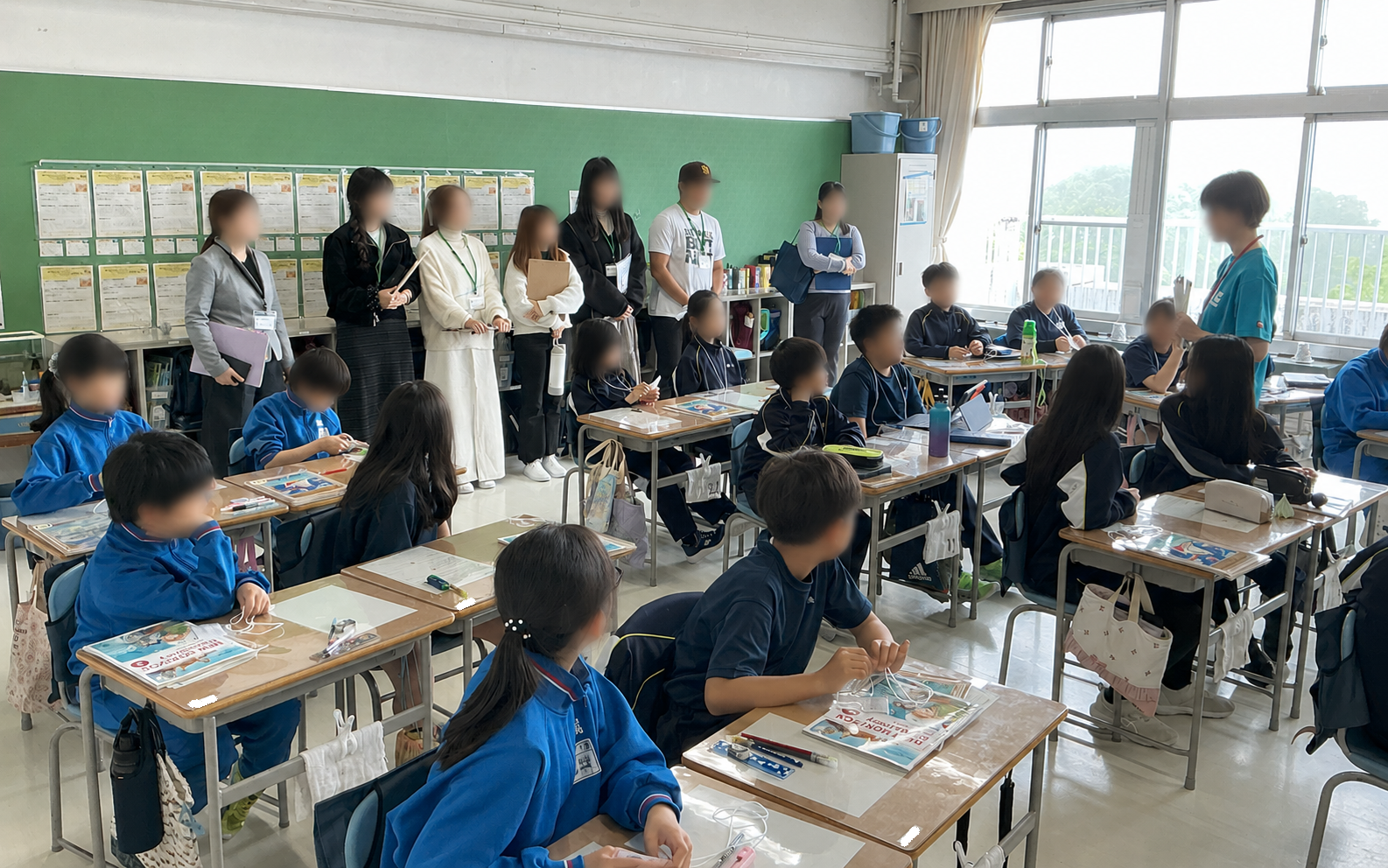
觀摩北海道教育大學附屬釧路義務教育學校英語課程 Observation of an English class at the Lower Division of Kushiro Compulsory Education School affiliated with Hokkaido University of Education
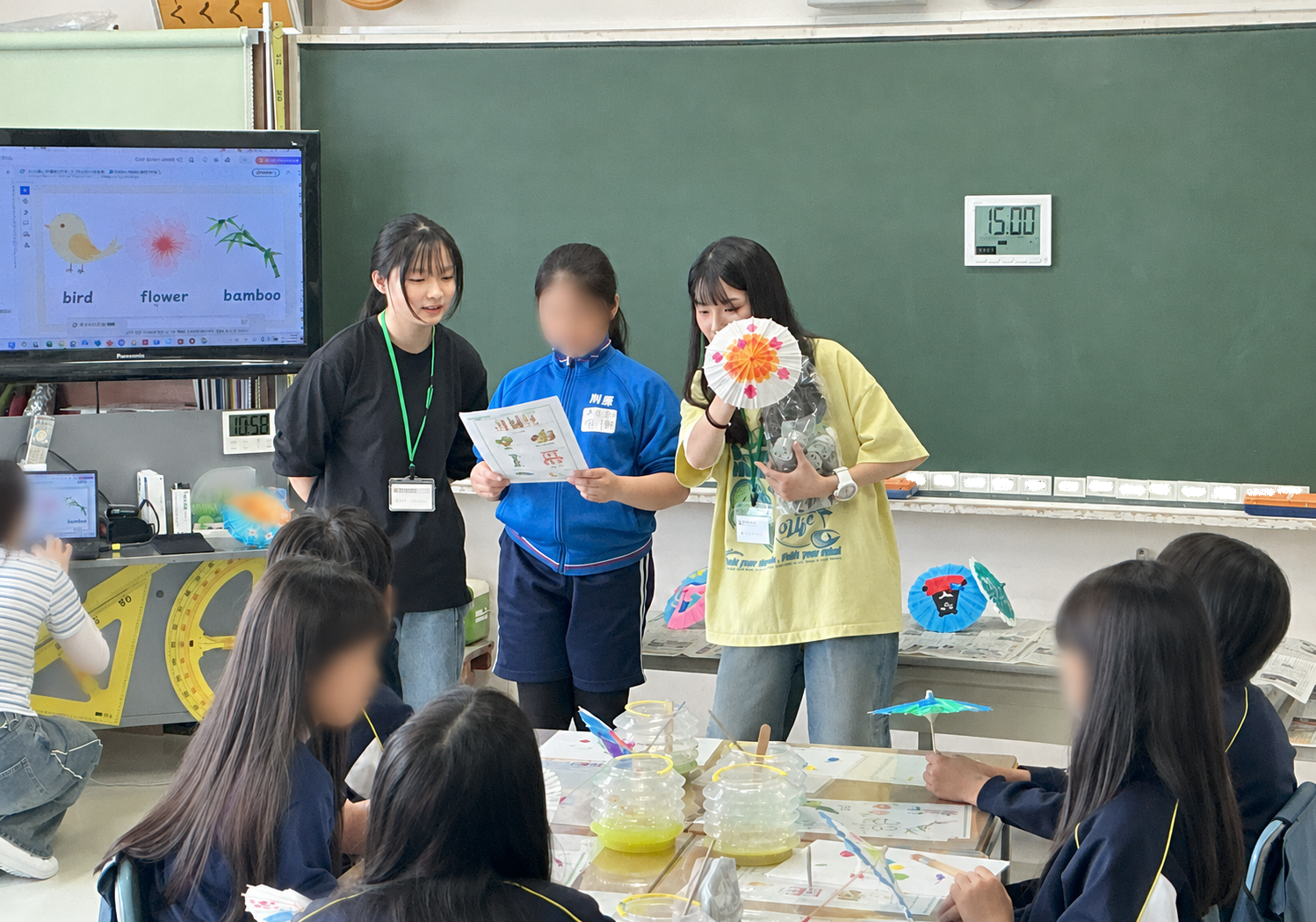
於北海道教育大學附屬釧路義務教育學校五年級進行客家油紙傘彩繪英語課程 English lesson on Hakka oil-paper umbrella painting for fifth-grade students at the Lower Division of Kushiro Compulsory Education School affiliated with Hokkaido University of Education
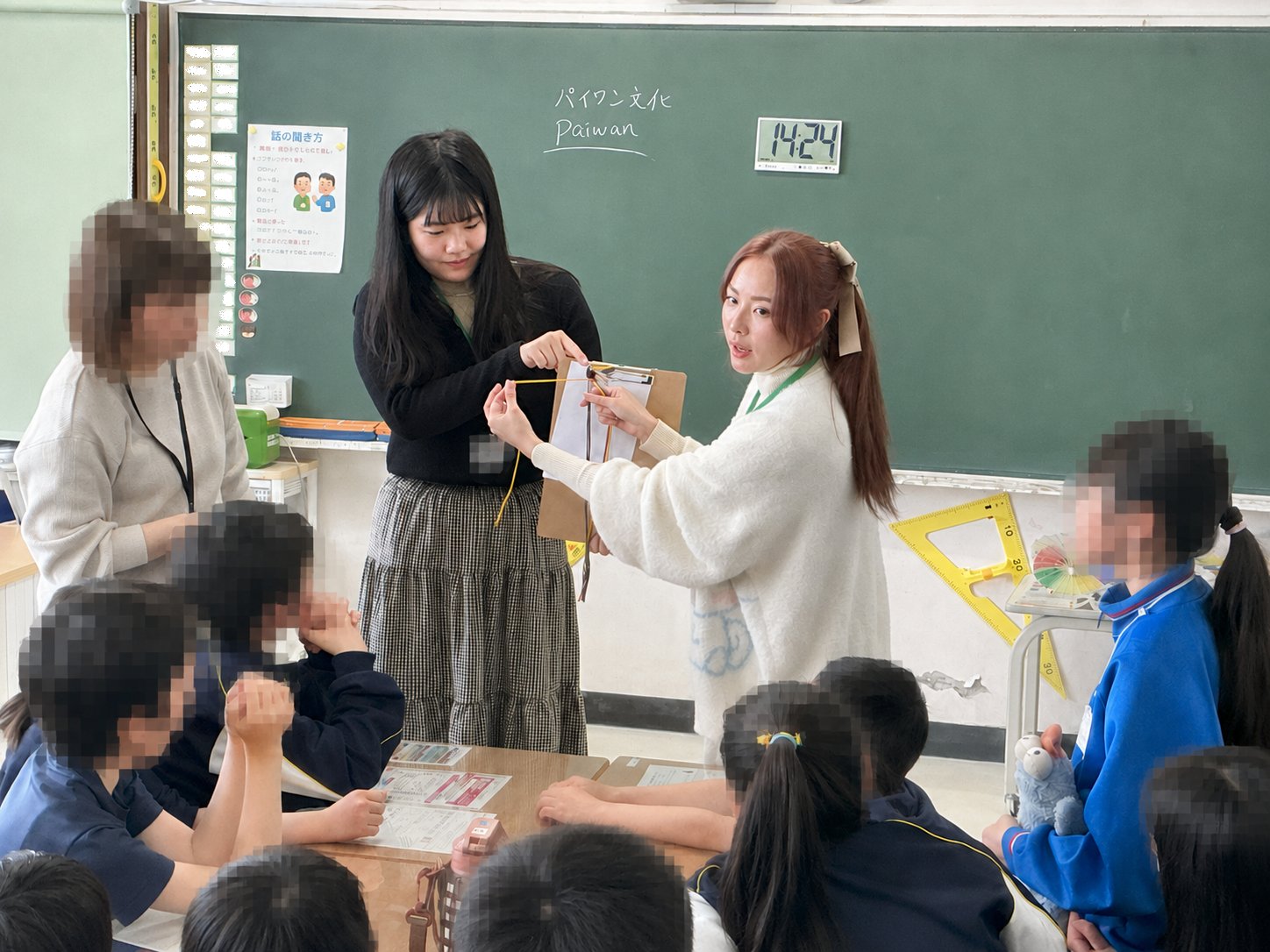
於北海道教育大學附屬釧路義務教育學校五年級進行排灣族六股編繩英語課程 English lesson on Paiwan six-strand braiding for fifth-grade students at the Lower Division of Kushiro Compulsory Education School affiliated with Hokkaido University of Education
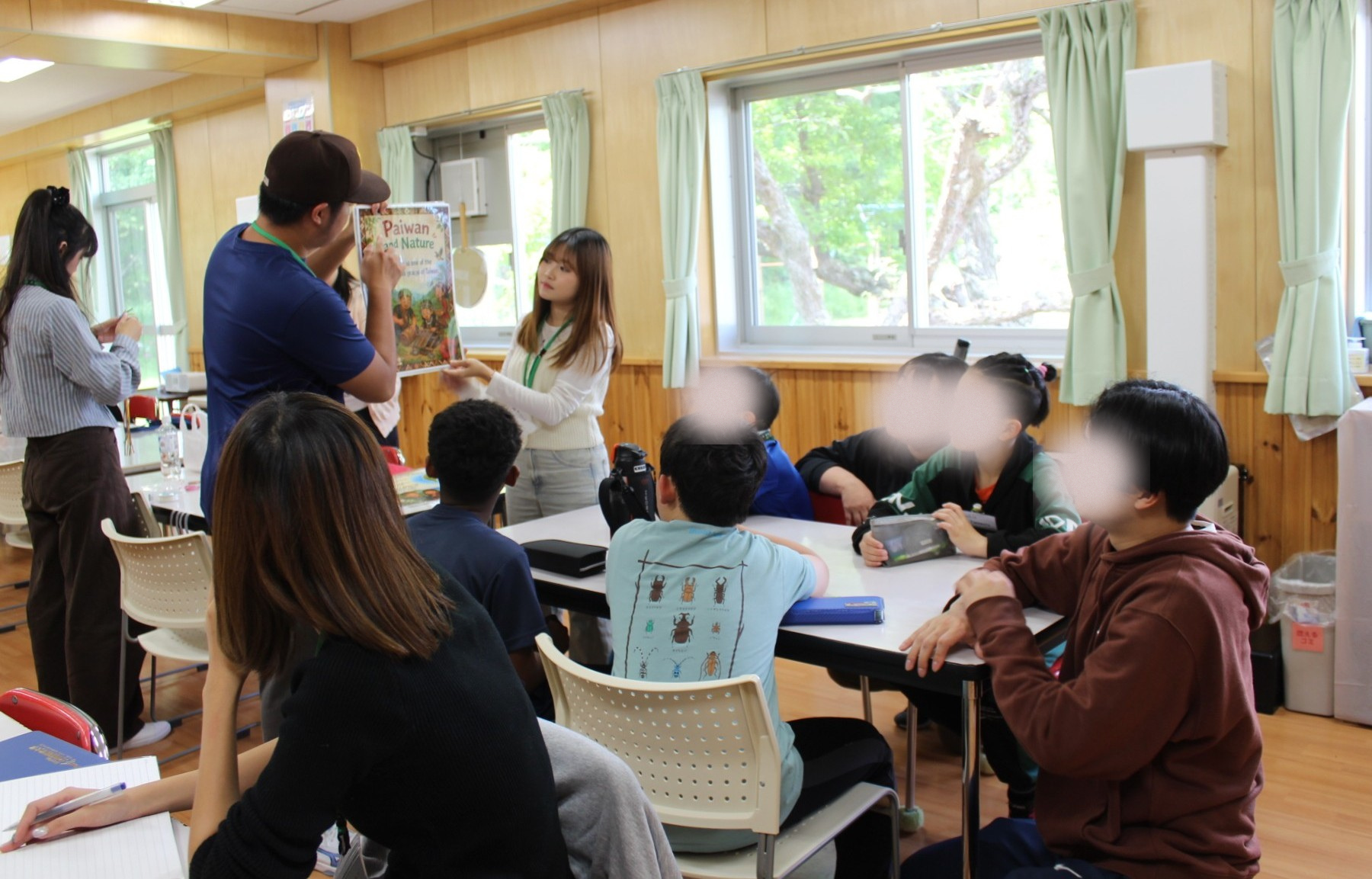
於釧路市立山花小中學校師資生進行跨年級分組教學 Pre-service teachers conducting multigrade group teaching at Yamahana Elementary and Junior High School in Kushiro
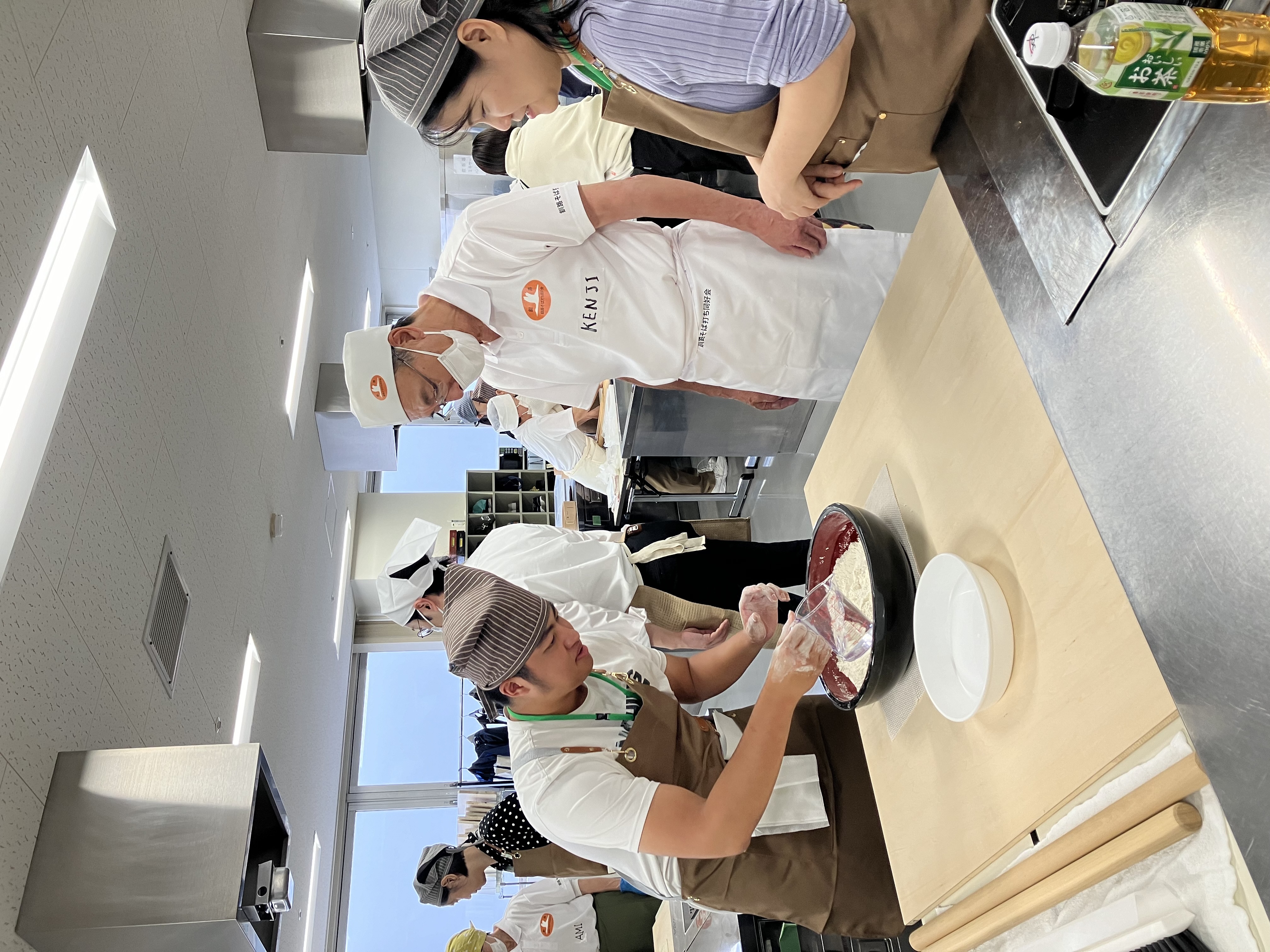
師生體驗蕎麥麵手作活動 Faculty and students participating in a hands-on soba noodle-making activity
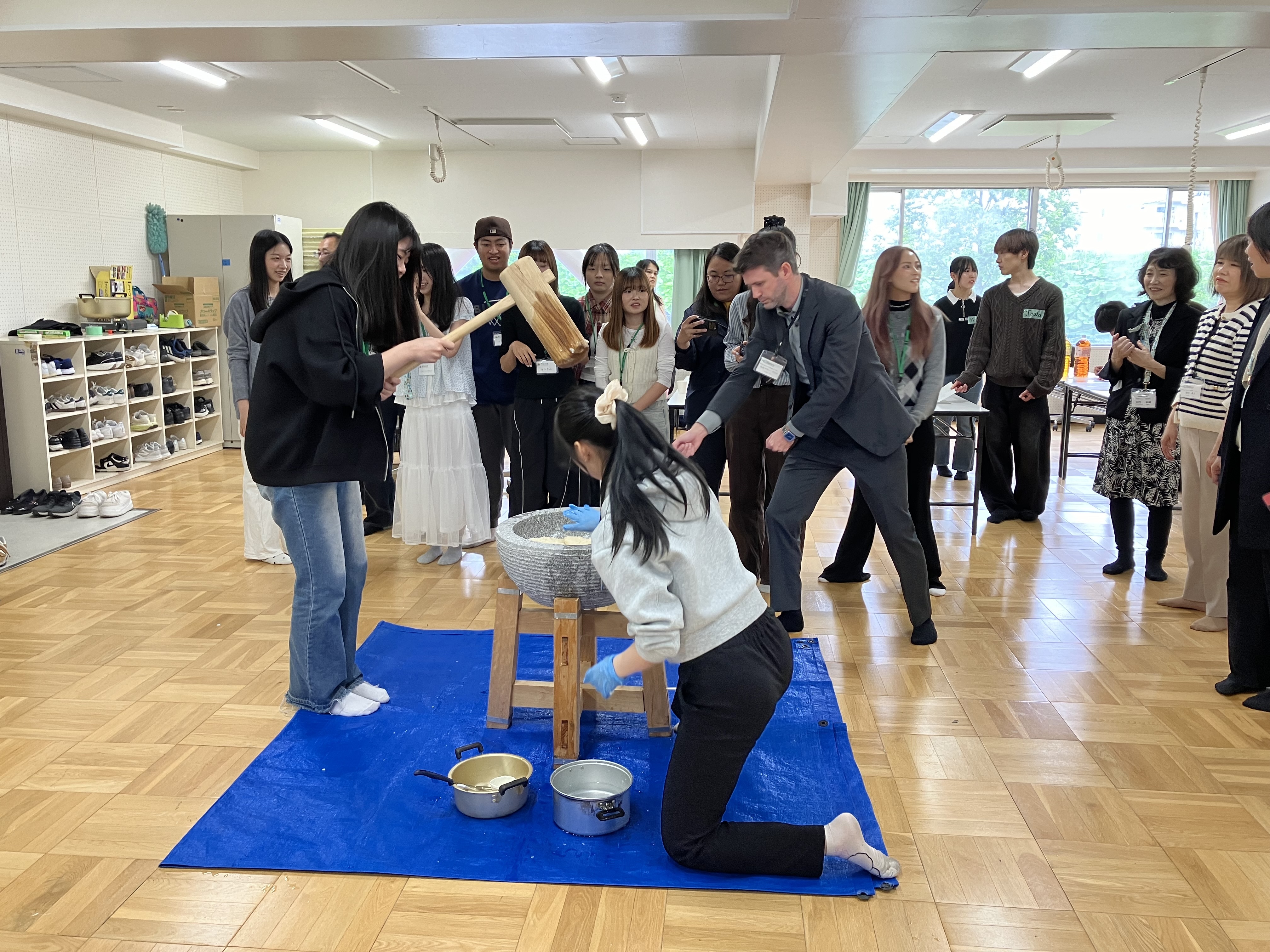
與日本北海島教育大學師生共同體驗搗麻糬活動 Faculty and students from National Pingtung University and Hokkaido University of Education participating together in a mochi-pounding activity